

Good weekly relationship check-in questions are open and few: what was hardest this week, how could I have better supported you, and what can I do to make you feel loved? Choose one or two topics and a time you both can attend.
The agenda below is built for couples whose schedules shift, such as shift work or call. It sits within our wider guide to balancing career and marriage. The order is a running order, not a ranking: each part has a job, and you can drop parts when the week is tight.
The agenda at a glance
A workable check-in moves from connection, to the past week, to the coming week, to one agreed action. Counselors who publish check-in guides tend to cover similar themes: emotional contact, gratitude, future planning, quality time and affirmation, as People Patterns lists them.
- Connect. Each of you shares something you are grateful for.
- Look back. Name the hardest part of the week and anything that upset you.
- Look at workload. Talk about chores, the mental load and the coming schedule.
- Look ahead. Ask what would make your partner feel loved and cared for this week.
- Commit. Pick one thing to act on before the next check-in.
Sample questions for each part
Write the questions down once and reuse them. A shared note or a notepad kept where you sit works well, so nobody has to improvise under tiredness. Take only the questions you need for that week.

Connect: gratitude and closeness
Start with something easy to answer so the conversation does not open on a problem. Gratitude sharing, where each partner names something they are grateful for, is one of the common opening themes. It suits couples who tend to start check-ins braced for criticism.
The aim is emotional intimacy, which one relationship article in Hindustan Times describes as closeness between two people who feel safe and secure with each other. A warm opening helps make the harder questions feel safer to answer.
Look back: the hard parts of the week
These questions are quoted in the same Hindustan Times piece, where a marriage coach suggests asking open-ended questions weekly:
- “What was the most difficult part of your week?” This lets your partner describe pressure without it being framed as a charge against you.
- “What if anything upset you this week?” This invites a small concern early, before it grows.
- “How could I have better supported you this week?” This turns the conversation toward what you can do rather than what went wrong.
Workload and the mental load
Counseling practice Road to Growth Counseling suggests asking: “How do you feel about the way we divide household chores and responsibilities (including the invisible mental load of household tasks)?” The mental load is the unseen work of remembering, planning and noticing what needs doing. It is easy to miss in a chore list, so ask about it by name.
If the answer shows an uneven split, the check-in is the place to flag it, not to settle it. Take the detail to a separate conversation, and see how to divide chores when one spouse works more for ways to rebalance.
Look ahead: care for the coming week
Close with a forward-looking question from the same counseling guide: “What is something I can do this week to make you feel loved and cared for?” It suits the end of the check-in because it leaves both partners with a specific, doable request rather than a grievance.
Reviewing the coming week’s workload together
Talking about workload goes better when you both look at the same schedule. Put the week’s shifts, appointments and family events in one place, then discuss what the week will ask of each of you.
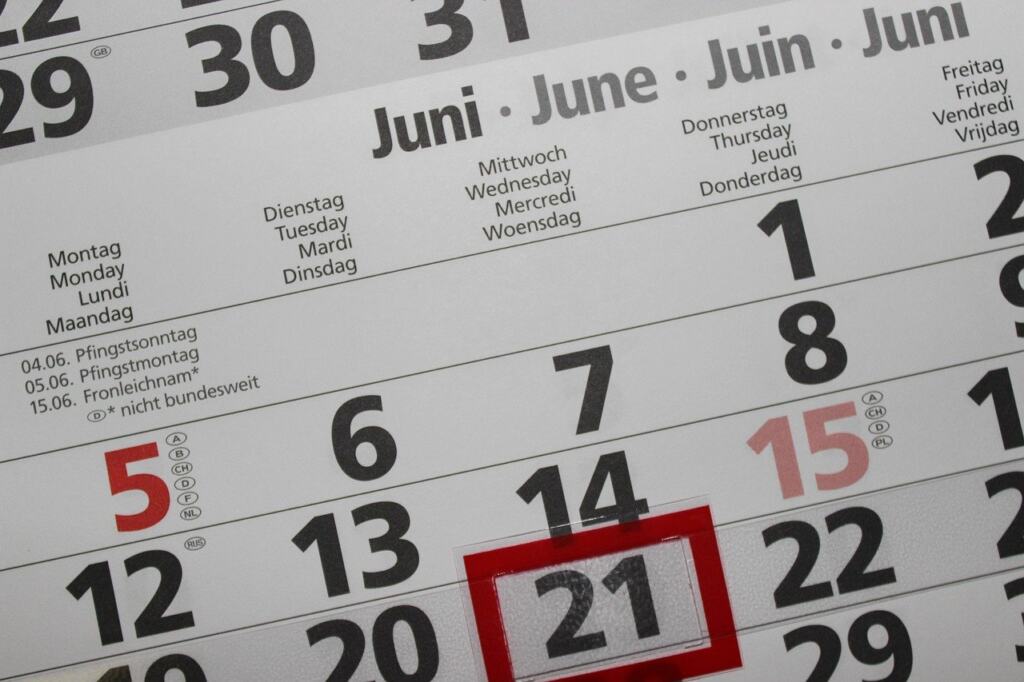
If you have not settled on a tool, our guide to the best shared calendar for couples compares the options.
Raising workload concerns without a fight
Start from the schedule and your own experience, then ask a question. “What was the most difficult part of your week?” and “How could I have better supported you?” let a partner describe overload without feeling accused. Raising a small concern early also helps: Road to Growth Counseling notes that small issues tend to grow larger over time when they go unaddressed.
Choose the workload question that fits your week. Use the mental-load question when the problem is invisible planning, and the support question when the problem is a heavy schedule.
Setting the time and length
Pick a regular time and a time limit. Mindful Care Therapy frames the limit as a way to keep the check-in from feeling like a chore. Agree the length together, and stop when it is up, even if the conversation is going well.

Finding the best time
Road to Growth Counseling advises looking at both schedules and finding a time that is free for both of you without any interruptions. For couples with irregular hours, this means choosing the slot from the actual week ahead rather than fixing one weekday forever. A regular slot is ideal, but a protected slot you can both reach matters more.
Protecting the conversation
Active listening needs your full attention. The same counseling guide recommends putting phones away, because they lead to distracted and divided attention. Set them face down out of reach, or in another room, before you begin.

Good couples communication in this setting is simple. One partner answers while the other listens without preparing a rebuttal, then the roles swap. Summarizing what you heard before responding keeps the exchange from becoming an argument.
When one of you is tired or on call
Plan for the week that does not cooperate. Mindful Care Therapy acknowledges that there will be times you have to postpone, cancel, or only check in once that month. Treat this as a normal part of the routine, not a failure.
- Move it. If the usual time is blocked by call or exhaustion, choose the next window you can both reach rather than forcing a tired conversation.
- Trim it. Ask only the question that matters most that week, such as what was hardest and how you can support each other.
- Return to it. After a skipped week, resume the routine without reviewing everything that was missed.
Keeping it from becoming a list of complaints
Limit each check-in to one or two topics. Mindful Care Therapy suggests picking one or two things to address, and warns that overloading the agenda reduces how thoughtfully each item is handled. Bring a long list and the check-in turns into an emotional dumping ground.
Three habits keep the tone constructive:
- Balance the agenda. Open with gratitude and close with the loved-and-cared-for question, so complaints sit between warmth.
- Raise things early. Small concerns are easier to discuss than a backlog.
- End with an action. Pick one item to act on before the next check-in, so the talk produces a change.
Choosing how often to meet
Counselors differ on cadence, so choose by how new the habit is for you. The table compares three options.
| Cadence | Best suited to | Watch-out | Planning use |
|---|---|---|---|
| Monthly | Couples new to check-ins | Gaps between talks let small issues grow | Start here if the idea feels heavy, then see how it feels |
| Every other week | Couples ready to commit to a routine | A missed session can mean a long gap | A middle option when weekly is too much but monthly is too little |
| Weekly | Couples who want regular contact | Can overwhelm beginners | Use with a short agenda and one or two topics |
The monthly starting point and the warning about beginners come from Road to Growth Counseling, while the recommendation to try weekly or biweekly and commit comes from Mindful Care Therapy.
Frequently asked questions
Is a weekly check-in too much to start with?
It can be. One counseling practice suggests starting monthly to see how it feels, because weekly can overwhelm beginners. Another recommends weekly or biweekly with a firm commitment, so pick whichever you will actually keep.
What does emotional intimacy mean in a check-in?
It means the closeness between two people who feel safe and secure with each other. Opening with gratitude and keeping the questions open-ended supports that feeling.
What should we do when the check-in ends?
Choose one thing from the conversation to act on until the next check-in. That keeps the talk practical and gives you a shared starting point next time.
Does the check-in have to happen at the same time every week?
A regular time helps, but it must be free of interruptions for both of you. If the week’s schedule rules it out, move it to another window rather than skipping the conversation entirely.