

Your spouse is due home after a night shift and the house needs to be dark, quiet and stocked with food. How to support a spouse in residency comes down to protecting sleep, easing food and chores, and keeping contact light.
Each action below follows the call and night-shift rhythm, so a partner can pick one and start this week. For the wider picture of life when you are married to a doctor, the Physician Marriages hub is the place to start. For how the training years strain a relationship more broadly, see marriage during residency.
Learn the rotation before anything else
Medical residency schedules often move, and support works best when it moves with them. The NCBI Bookshelf chapter on shift work describes an emergency room resident who works mornings one week, evenings the next week and nights the week after. It also notes that about 25% of the adult workforce works non-traditional hours, so the pattern is common, even though it feels isolating at home.
The practical step is to get the rotation onto a shared calendar and mark the weeks that need different help. A night week needs a sleep-first household. A morning week may leave evenings free for time together. Ask your spouse which weeks are hardest rather than guessing, and revisit the calendar whenever the rotation changes.
Protect daytime sleep
Sleep deprivation is the main problem a spouse can actually influence. Sleep education material for residents, summarized from American Academy of Sleep Medicine resources on the neurology care-team site, says most individuals need 8 hours of sleep to perform at an optimal level. It also advises getting 7 to 9 hours of sleep before anticipated sleep loss, so the day before a run of nights is worth keeping calm and free of late plans.
The same material describes the ideal sleep room, and most of it is a spouse’s job to set up:
- Dark. Hang room-darkening shades and keep an eye mask by the bed.
- Quiet. Silence phones and ring tones, and handle doorbells and deliveries yourself. The material suggests unplugging the phone and turning off the pager when not on call.
- Cooler. A cooler room is part of the recommended setup, alongside earplugs.
- Predictable. The advice is to go to bed and get up at about the same time every day, so agree a sleep window and guard it.
The material also tells residents to enlist family and friends to protect their sleep time, which makes this a legitimate and welcome role for a partner.

Make food easy
After a long shift, deciding what to eat is one more task. The NCBI Bookshelf chapter reports that shift work is associated with cardiovascular disease, metabolic syndrome, obesity and type II diabetes. That makes the kitchen a sensible place for a partner to help, without turning meals into a lecture about health.
Cook larger batches on days when you have energy and portion them into labelled containers that can be eaten cold or reheated in minutes. Leave a meal and a short note on the counter before a night shift ends. Keep a few no-cook options in the fridge for the days when nobody has planned anything. This suits a spouse who is short on time and is the cheapest support action on this list.

Plan the drive home
The commute after a shift is a safety issue, not just an inconvenience. The NCBI Bookshelf chapter states that shift workers commuting home after a shift are at an increased risk of motor vehicle collisions. It adds that shift workers have an increased risk of occupational accidents, with nearly 3x greater risk found in some studies, and that hospital workers show increased accident risk during shifts longer than 8 hours.
Turn that into a standing arrangement rather than a worry. Offer a lift or agree another way home when a shift ends after a long night. Ask for a text on arrival so you know your spouse is home safely. Settle this early in the rotation, because a tired resident is poorly placed to negotiate it at the end of a shift.
Keep contact short and low-demand
Staying connected on a night-shift schedule works better in small doses. The sleep education material lists feeling restless and irritable with family and friends as a sign of sleepiness. A resident who snaps at home may be showing fatigue rather than a problem in the relationship.
A short call or message during a break does more than a long conversation that has to wait until everyone is exhausted. Keep it warm and undemanding: ask whether anything is needed, share one small piece of news, and let your spouse end the call. Save heavier topics for a rested day off. Couples dealing with night shifts and a relationship at the same time often find that predictable, brief contact is easier to sustain than occasional long catch-ups.

Share the household load and guard days off
Days off after nights are not free time. The NCBI Bookshelf chapter notes that shift workers often use days off to recover from reduced sleep. It also says a single night without sleep requires approximately 1 to 2 nights of sleep to restore baseline levels. A spouse who fills the first day off with errands, visits and chores is spending recovery time.
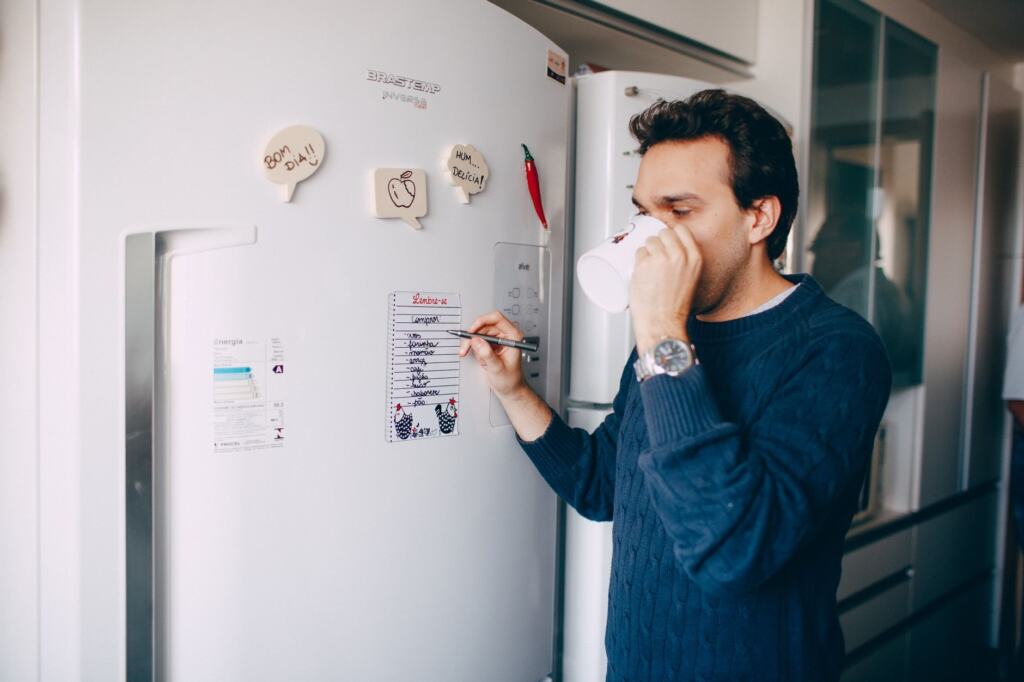
Write the household tasks down where both of you can see them, such as a list on the refrigerator, and take the ones that do not need your spouse. Bills, appointments, shopping and school or pet logistics are the obvious candidates. Review the list at the start of each rotation, because a night week and a morning week do not leave the same capacity. The same chapter links shift work with burnout, so a lighter home load is part of resident wellness rather than a luxury.
What to avoid saying to an exhausted resident
The most useful rule is not to argue about how tired your spouse is. The NCBI Bookshelf chapter says individuals frequently lack insight into the level of cognitive impairment they may be experiencing. The sleep education material adds that sleepy people underestimate their sleepiness and overestimate their alertness. Neither person at the kitchen table is a reliable judge in the moment.
- “You seem fine to me.” It dismisses a symptom that the person may not be able to see in themselves, and it invites an argument.
- Heavy conversations straight after a shift. The chapter describes impaired cognition and decreased job performance as common complications of shift work across several professions, including medical residents, so a major decision made at the end of a night is a poor bet.
- Reading irritability as a verdict on you. Snappiness is a recognised sign of sleepiness. Name it calmly later, once your spouse has slept.
Say what you can offer instead, such as “Sleep now and we will talk this evening.” If the strain looks bigger than tiredness, the guide on how to help a stressed spouse who is a doctor goes further.
Ask for support for yourself
Supporting a resident does not mean having no needs. Choose a rested moment, such as a day off rather than the hour after a night shift, and make a specific request: a night to go out with friends, a shared weekend task, or time with no logistics discussion. A request that is specific and tied to the calendar is easier to grant than a general complaint about being alone.
Resident wellness resources can ease the pressure on both of you. The sleep education material says an office of wellbeing, wellness representatives, chiefs and program directors can assist with sleep resources, so your spouse can ask them for help if the schedule is damaging sleep or home life. Your own friends and family are the second route. Tell them what the rotation looks like, so they can offer practical help rather than sympathy alone.
This week’s checklist
- Ask for the current rotation and put it on a shared calendar.
- Set up the sleep room with shades, an eye mask and a silenced phone.
- Stock the fridge with portioned meals that need no decisions.
- Agree how your spouse gets home after the longest shifts.
- Pick a short, regular check-in that asks for nothing back.
- Write a household task list and claim the items you can carry.
- Choose a rested time to ask for something you need.
Frequently asked questions
Do night-shift workers sleep worse than other people?
Yes. The NCBI Bookshelf shift work chapter reports insomnia prevalence of 29% to 38% in shift workers, compared with approximately 6% in the general population.
How common is shift work disorder?
In a US study cited in the same chapter, 14% of night and 8% of rotating shift workers reported symptoms that met the shift work disorder criteria. These are survey figures for shift workers in general, not a count of residents.
When does tiredness start to affect performance?
According to sleep education material for residents, a decline in performance starts after about 15-16 hours of continued wakefulness. That is why a long on-call stretch can leave a resident noticeably less sharp at home.