

Didn’t match residency, what now? Marriage comes first: grieve together, check SOAP eligibility with an advisor straight away, then plan reapplication as a couple. Each stage is a joint decision, not one partner’s problem.
Couples who are married to a doctor or to a future doctor often feel an unmatched result as a shared loss. This guide walks through the immediate response, the SOAP process, support at home, reapplication options and the money and living questions that follow.
Before you start
A few starting conditions make the steps below easier to follow. None of them require a plan yet.
- Contact details for the school. Have the advisor, dean’s office or program director’s contact information to hand, because an experienced reviewer of the application is the most useful early resource.
- Access to NRMP’s SOAP materials. The NRMP SOAP resources are the official reference for rules and offer rounds, and the applicant guide is the one to read.
- Agreement on who does what. One partner is the applicant. The other partner can take on logistics, food, calls and a second set of ears, so the applicant’s attention stays on the process.
- Willingness to delay big decisions. Moving, switching specialties or ending a lease can wait until the SOAP outcome is known and an advisor has looked at the file.
Steps for the couple
The expected outcome is not an instant fix. It is a clear picture of the application, a decision about SOAP, a reapplication plan if needed, and a marriage that stays steady through each stage.
Step 1: Be present before you plan
The first hours after learning the result are for the two of you. The applicant does not have to be positive, and the spouse does not have to have answers. Sitting together, eating something and saying the disappointment out loud is a legitimate first task.
Planning still has to start quickly, because SOAP follows the initial Match. A short, gentle division of labor works well: the applicant decides when they are ready to talk about next steps, and the spouse quietly makes sure the school contact details and NRMP materials are within reach. A walk, a drive or any change of room can make the first conversation easier than staying where the news landed.

Step 2: Learn how SOAP works
SOAP is the system through which unmatched applicants can apply for unfilled residency positions after the initial Match. It is not a second full Match. Applicants choose among programs that still have openings, and the process runs in offer rounds.
NRMP publishes separate SOAP guides for applicants and for programs. The guides cover eligibility requirements, NRMP’s List of Unfilled Programs, the SOAP process and offer rounds, and policy highlights. Eligibility is the first thing to confirm, since it decides whether SOAP is an option at all. Because the process moves in rounds and applicants must accept offers as they come, the spouse’s best contribution is helping the applicant read the current guide carefully rather than from memory or from forum threads.
Step 3: Agree your SOAP boundaries in advance
SOAP gives applicants less control than the regular Match. There are limited specialty options, and offers must be accepted as they are made, so there is little room for long deliberation once offers arrive. Settle the main trade-offs before the process begins.
- Specialty flexibility. Specialties such as internal medicine or family medicine usually have more open spots, so an applicant who is open to them has more possible matches. Whether that fits the applicant’s goals is a personal call.
- Location flexibility. Unfilled programs can be anywhere. A spouse with a job, a lease or a family nearby should say now whether relocation is possible, so the applicant is not weighing it alone under time pressure.
- What you would accept. Decide together which outcomes you would accept, which you would decline and which need a conversation. The applicant stays the decision-maker in the moment, but they are working from a shared agreement.
A SOAP position also matters beyond this year. It can make it easier to apply for categorical positions later rather than reapplying from scratch, which is worth weighing against waiting for a different route. A match day spouse who has already been through the original waiting often finds SOAP a second, faster round of the same anxiety, so agreeing on how you will each cope matters as much as the logistics.
Step 4: Support without minimizing the loss
Not matching is a real loss for both partners, and it can feel bigger because years of planning were organised around this date. Avoid sentences that shrink it, such as telling the applicant it is not a big deal or that something better will come. Name the disappointment, ask what would help today, and accept that the answer may be nothing.

- Listen first. Let the applicant talk about the result before moving to solutions. Reflect back what you hear instead of offering a plan.
- Protect the applicant’s time. Take the calls, meals and errands that eat attention during SOAP so they can focus on the process.
- Look after yourself too. The spouse is also disappointed, may be worried about money or location, and needs somewhere to say so. A friend, family member or counselor outside the marriage can help carry that.
- Decide together. A forum contributor with long experience of medical couples noted that once a couple is committed, decisions should be made together. That applies to SOAP choices, reapplication and any move.
The applicant’s feelings about being unmatched are theirs to process on their own timeline. The spouse’s job is to be a steady, honest presence, not to cheer them out of grief.
Step 5: Meet an advisor and choose a path
As soon as the immediate pressure of SOAP has eased, book time with an academic advisor, dean or program director. An experienced reviewer can look at the application and help identify why it did not match, which shapes every later choice. The spouse can attend if the applicant wants them there, take notes and ask about timelines.
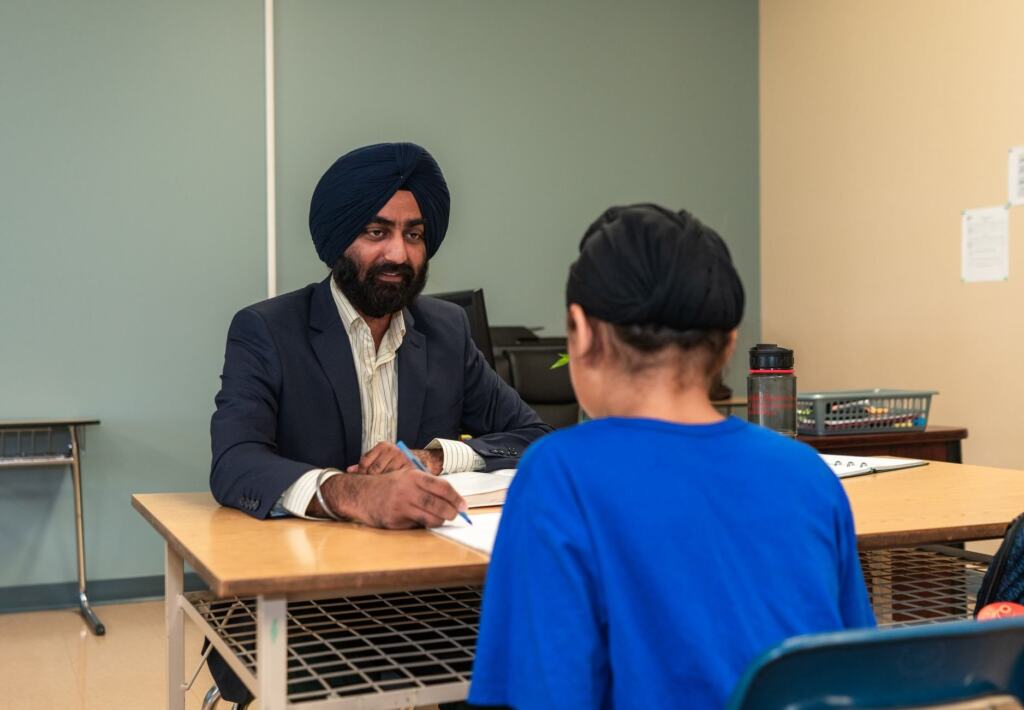
If SOAP does not produce a position, the main route is reapplication, and the advisor’s review should shape how the next application differs from this one. Two suggested ways to strengthen it:
- Research year. Gain research experience through publications, presentations or even conference attendance. A dedicated research period suits an applicant whose file would benefit from visible scholarly work.
- Externship. Apply for an externship to stay clinically relevant and to receive a strong letter of recommendation. This suits an applicant who wants to keep clinical skills current and add a new reference.
A change of specialty may come up in the advisor meeting too. If it does, the couple’s own priorities around hours, training length and location should be part of the conversation, which is covered in more depth in the guide to choosing a medical specialty with a spouse.
Step 6: Plan money and living arrangements
Money and location questions should come after the emotional ones, but they should not be avoided for long. Each path has different practical consequences. A SOAP position usually means a prompt move to wherever the program is. Reapplication, a research year or an externship may keep the applicant in place or send them elsewhere. Ask the advisor how each option is structured so the couple can plan around it.
Distance has a real price. One couple on a student forum who were one year apart in training described time apart and lots of money invested in gasoline and airline tickets. If one partner may end up in a different city for a year, include travel costs and the strain of separation in the comparison between options, not only the title of the position.

A written list of options, each with a location, an income picture and a travel cost, is a practical way to compare paths. Review it together and revisit it after each decision point rather than committing to a full year at once.
Checkpoints and when to pause
The table below turns the steps into decision points. Pause at each one, check in as a couple, and move on only when both partners understand the choice.
| Checkpoint | What to confirm | Planning use |
|---|---|---|
| SOAP eligibility | Whether the applicant meets NRMP’s SOAP eligibility requirements | Decides whether to prepare for SOAP or move straight to advising and reapplication. |
| Unfilled programs | Which programs on NRMP’s List of Unfilled Programs fit the applicant’s specialty and location limits | Lets the couple agree boundaries before offers arrive. |
| Offer rounds | That offers must be accepted as they come | Prompts a prior conversation about what you would accept, not a deadline decision made alone. |
| Application review | A dean, advisor or program director has looked for the reason the application did not match | Shapes whether the next step is a research year, an externship or a specialty change. |
| Money and location | Costs, income and travel for each path, including time apart | Lets the couple compare options on more than the title of the position. |
The checkpoints draw on NRMP’s SOAP guidance for eligibility, unfilled programs and offer rounds, and on Blueprint’s next-steps advice for application review and options.
Stop and slow down if either partner is making a major commitment, such as signing a lease or turning down a position, from exhaustion or in the first raw conversation. A pause for a night, or a short call with the advisor, costs little. Where a decision is time-bound, as in SOAP offer rounds, agree in advance what you would do so the pressure does not fall on one person.
Frequently asked questions
What do the NRMP’s SOAP guides cover?
NRMP published its 2025 SOAP guides for applicants and programs on January 9, 2025. They cover eligibility requirements, the List of Unfilled Programs, the SOAP process and offer rounds, policy highlights and resources.
Do international graduates face different limits in SOAP?
Yes. Some programs in SOAP do not sponsor visas, which can severely limit IMGs who require one. More generally, the odds favor US MD or DO graduates, then US-based IMGs, then non-US IMGs. Of the 16,052 IMGs who participated in the 2025 Match, over 9,000 matched.
What if we are one year apart in training?
Not matching can create or extend a gap between partners’ training years. Couples in that position have reported time apart and substantial travel costs, so it helps to price those in and to make the decision together once you are committed.